เหตุใดดอกสว่านบางชนิดจึงใช้งานได้นานกว่าถึงสองเท่า: ไม่ใช่เพราะคาร์ไบด์ แต่เป็นเพราะตัวดอกสว่านเอง
แม่พิมพ์ขึ้นรูปโลหะทำงานที่อุณหภูมิ 200-300 องศาเซลเซียสในระหว่างการผลิตอย่างต่อเนื่อง โดยรักษาอุณหภูมิไว้ด้วยวงจรระบายความร้อนด้วยน้ำในตัวจับแม่พิมพ์ หากอุณหภูมิของแม่พิมพ์สูงเกินกว่าช่วงดังกล่าว เหล็กที่ใช้ทำแม่พิมพ์จะอ่อนตัวลง และความแม่นยำของขนาดจะลดลง หากอุณหภูมิลดลงต่ำกว่าช่วงดังกล่าว การเปลี่ยนแปลงอุณหภูมิอย่างฉับพลันจากแท่งโลหะร้อนที่เข้ามาอาจทำให้พื้นผิวของแม่พิมพ์แตกได้ อุณหภูมิของแม่พิมพ์ที่คงที่หมายถึงขนาดของดอกกัดที่คงที่ และขนาดที่คงที่หมายความว่าดอกกัดทุกชิ้นจะทำงานได้เหมือนกันทุกชิ้น
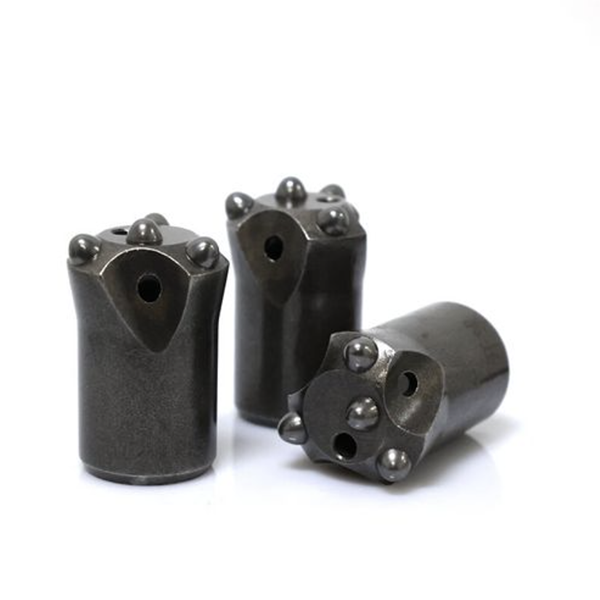
เดอะ ความแตกต่าง ระหว่าง a นิดหน่อย ที่ รอดชีวิต หลายพัน ของ เมตร ของ แข็ง หิน เครื่องเคาะ และ หนึ่ง ที่ ล้มเหลว ใน ของมัน อันดับแรก กะ บ่อยครั้ง มา ลง ถึง a การผลิต การตัดสินใจ ทำ ยาว ก่อน ที่ นิดหน่อย เคย สัมผัส a เจาะ แท่นขุดเจาะ: ยังไง ที่ ร่างกาย เคยเป็น ทำ.
สี่ วิธีการ ถึง ทำ a นิดหน่อย ร่างกาย — และ ทำไม สาม ของ พวกเขา ตก สั้น
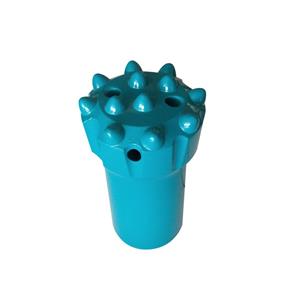
ที่นั่น เป็น สี่ ทางการค้า กระบวนการ สำหรับ ผลิต a ปุ่ม นิดหน่อย ร่างกาย, และ พวกเขา ผลิต อย่างรุนแรง แตกต่าง ผลลัพธ์ ถึงอย่างไรก็ตาม เริ่มต้น กับ ที่ เดียวกัน โลหะผสม เหล็ก.
กลึง จาก บาร์ คลังสินค้า. เดอะ ง่ายที่สุด เข้าใกล้: เอา a กลม บาร์ ของ เหล็ก, ตัด มัน ถึง ความยาว, และ เครื่องจักร ห่างออกไป ทุกอย่าง ที่ ไม่ใช่'t ที่ สุดท้าย รูปร่าง. มัน's ราคาถูก ถึง ชุด ขึ้น — เลขที่ ตาย, เลขที่ การตีขึ้นรูป อุปกรณ์, แค่ a เอ็นซีเอ็น กลึง. เดอะ ปัญหา เป็น ที่ การกลึง ไม่'t ทำให้ดีขึ้น ที่ เหล็ก. มัน การตัด ผ่าน ที่ เมล็ดพืช โครงสร้าง ที่ เคยเป็น ก่อตั้ง เมื่อไร ที่ บาร์ เคยเป็น ม้วน, การแตกหัก ที่ โลหะ's ภายใน ไหล เส้น ที่ ทั้งหมด กลึง พื้นผิว. เหล่านั้น แตกหัก ไหล เส้น กลายเป็น ความเหนื่อยล้า การเริ่มต้น เว็บไซต์ ภายใต้ ผลกระทบ กำลังโหลด. และ เพราะ คุณ'อีกครั้ง การตัด ห่างออกไป โดยประมาณ ครึ่ง ที่ เริ่มต้น วัสดุ ถึง สร้าง ที่ สุดท้าย รูปร่าง, วัสดุ การใช้ประโยชน์ เป็น ย่ำแย่. กลึง นิดหน่อย ร่างกาย เป็น ดี สำหรับ มาก แสงสว่าง-หน้าที่ แอปพลิเคชัน, แต่ ใน เครื่องเคาะ หิน การเจาะ — ที่ไหน ที่ นิดหน่อย ร่างกาย ดูดซับ ที่ เต็ม ลูกสูบ ผลกระทบ กับ ทั้งหมด เป่า — พวกเขา สวมใส่'t ล่าสุด.
เย็น การอัดรีด. ดีกว่า กว่า การกลึง, แต่ จำกัด. เย็น การอัดรีด กองกำลัง ที่ เหล็ก แท่งโลหะ เข้าไปข้างใน a ตาย ที่ ห้อง อุณหภูมิ ภายใต้ สุดขีด ความดัน. เดอะ การเปลี่ยนรูป ปรับปรุง วัสดุ ความหนาแน่น และ กลั่นกรอง ที่ เมล็ดพืช โครงสร้าง ค่อนข้าง, แต่ ที่ กองกำลัง ที่จำเป็น เป็น มหาศาล — ที่ วิธี ที่ ตาย และ สำนักพิมพ์ มี ถึง เป็น มโหฬาร, ความแม่นยำ-พื้น, และ แพง. เย็น การอัดรีด งาน สำหรับ เล็ก-เส้นผ่านศูนย์กลาง บิต กับ เรียบง่าย เรขาคณิต, แต่ มัน สามารถ't รับมือ ที่ ซับซ้อน ภายใน โปรไฟล์ ของ ใหญ่กว่า ปุ่ม บิต, และ ที่ ตาย สวมใส่ ค่าใช้จ่าย ทำ มัน ไม่คุ้มค่าทางเศรษฐกิจ สำหรับ การผลิต เล่ม.
อบอุ่น การอัดรีด. A ประนีประนอม. เดอะ แท่งโลหะ เป็น ร้อน ถึง หนึ่ง ระดับกลาง อุณหภูมิ — ด้านล่าง ที่ การตกผลึกใหม่ จุด — ถึง ลด การเปลี่ยนรูป ความต้านทาน. เดอะ การกด กองกำลัง เป็น ต่ำกว่า กว่า เย็น การอัดรีด, ที่ วิธี น้อย ตาย สวมใส่ และ ต่ำกว่า อุปกรณ์ ค่าใช้จ่าย. แต่ ที่ อุณหภูมิ หน้าต่าง เป็น แคบ และ ไม่ให้อภัย. ด้วย ร้อน, และ ที่ โลหะ เริ่มต้น ถึง ตกผลึกใหม่ ไม่สม่ำเสมอ. ด้วย เย็น, และ คุณ'อีกครั้ง กลับ ถึง เย็น การอัดรีด กองกำลัง. อบอุ่น การอัดรีด งาน สำหรับ แสงสว่าง-หน้าที่ นิดหน่อย ร่างกาย กับ ไม่ซับซ้อน รูปทรง, แต่ มัน สามารถ't ผลิต ที่ ลึก, ซับซ้อน ฟันผุ ที่ a ทันสมัย ปุ่ม นิดหน่อย ความต้องการ สำหรับ เหมาะสม การล้าง และ การปักชำ การอพยพ.
ร้อน ตาย การตีขึ้นรูป. นี้ เป็น อะไร ที่ อุตสาหกรรม ตั้งรกราก บน สำหรับ a เหตุผล. เดอะ เหล็ก แท่งโลหะ เป็น ร้อน ถึง 1100-1250°C — ดี ข้างบน ที่ การตกผลึกใหม่ อุณหภูมิ — และ กด เข้าไปข้างใน a ความแม่นยำ ตาย ภายใต้ ควบคุม ความดัน. เดอะ โลหะ การไหล ชอบ อบอุ่น ดินเหนียว เข้าไปข้างใน ทั้งหมด รายละเอียด ของ ที่ ตาย โพรง, และ เมื่อไร มัน เย็น, มัน มี a เมล็ดพืช โครงสร้าง, ความหนาแน่น, และ ภายใน ความซื่อสัตย์ ที่ เลขที่ การกลึง หรือ เย็น-การทำงาน กระบวนการ สามารถ จับคู่. ร้อน ตาย การตีขึ้นรูป บัญชี สำหรับ เกิน 80% ของ ปุ่ม นิดหน่อย ร่างกาย การผลิต ทั่วโลก, และ สำหรับ เครื่องเคาะ การเจาะ แอปพลิเคชัน, ที่ การครอบงำ เป็น ได้รับ.
อะไร เกิดขึ้น ข้างใน ที่ เหล็ก ที่ 1200°C
เดอะ การเปลี่ยนแปลง ที่ ทำให้ a ร้อน-ปลอมแปลง นิดหน่อย ร่างกาย เหนือกว่า ถึง a กลึง หรือ เย็น-อัดขึ้นรูป หนึ่ง เกิดขึ้น ที่ ที่ โครงสร้างจุลภาค ระดับ, และ มัน's คุณค่า ความเข้าใจ เพราะ มัน โดยตรง กำหนด ยังไง ยาว ที่ นิดหน่อย รอดชีวิต ใต้ดิน.
เมื่อไร ที่ แท่งโลหะ เข้า ที่ การตีขึ้นรูป กด ที่ 1200°C, สาม สิ่งของ เกิดขึ้น พร้อมกัน ที่ การกลึง และ เย็น การก่อตัว สามารถ't ทำซ้ำ.
อันดับแรก, ภายใน ข้อบกพร่อง เป็น เชื่อม ปิด. ทั้งหมด เหล็ก แท่งโลหะ ประกอบด้วย กล้องจุลทรรศน์ ความพรุน — ขนาดเล็ก ช่องว่าง ซ้าย เกิน จาก ที่ การคัดเลือก กระบวนการ — และ ไม่ใช่-โลหะ สิ่งที่รวมอยู่ด้วย ชอบ ออกไซด์ หรือ ซัลไฟด์ อนุภาค. ภายใต้ ที่ การบีบอัด บังคับ ของ ที่ การตีขึ้นรูป กด ที่ อุณหภูมิ, เหล่านั้น ช่องว่าง ทรุด และ เชื่อม ปิด. เดอะ สิ่งที่รวมอยู่ด้วย รับ แบนราบ และ กระจาย ค่อนข้าง กว่า ที่เหลืออยู่ เช่น ความเครียด-สมาธิ อนุภาค. เดอะ ผลลัพธ์ วัสดุ ความหนาแน่น เป็น วัดได้ สูงกว่า, และ มากกว่า ที่สำคัญ, ที่นั่น เป็น น้อยลง สร้าง-ใน แตก การเริ่มต้น เว็บไซต์ ซึ่งรอคอย ถึง เติบโต เข้าไปข้างใน กระดูกหัก ภายใต้ วงจร ผลกระทบ กำลังโหลด.
ที่สอง, ที่ เมล็ดพืช โครงสร้าง เป็น สร้างใหม่ จาก เกา. เดอะ หยาบ, ไม่สม่ำเสมอ เมล็ดพืช โครงสร้าง สืบทอด จาก ที่ ม้วน หรือ หล่อ แท่งโลหะ ได้รับ อย่างสมบูรณ์ แตกหัก ลง โดย ที่ การผสมผสาน ของ ความร้อน และ การเปลี่ยนรูป. เช่น ที่ โลหะ การไหล เข้าไปข้างใน ที่ ตาย โพรง, ที่ เก่า ธัญพืช เป็น บด และ ปฏิรูป เข้าไปข้างใน ดี, เครื่องแบบ, สมมาตร ธัญพืช — โดยประมาณ เท่ากัน ใน ทั้งหมด มิติ — ที่ ให้ ที่ เหล็ก a สมดุล ของ ความแข็ง และ ความทนทาน ที่'s เป็นไปไม่ได้ ถึง บรรลุ ผ่าน ความร้อน การรักษา ตามลำพัง. A อย่างถูกต้อง ร้อน-ปลอมแปลง ปุ่ม นิดหน่อย ร่างกาย จะ ที่ดิน ใน ที่ เอชอาร์ซี 35-45 พิสัย กับ ผลกระทบ ความทนทาน สูง เพียงพอ ถึง ดูดซับ หลายพัน ของ ลูกสูบ การโจมตี ปราศจาก การแตก.
นี้ แก้ไข a พื้นฐาน วัสดุ ปัญหา ที่ ถูกรบกวน ก่อนหน้านี้ นิดหน่อย การผลิต: ที่ ยากมากกกก แต่ เปราะ, ยาก แต่ นุ่มมากกกกก ซื้อขาย-ปิด. ความร้อน-ได้รับการรักษา กลึง เหล็ก สามารถ เป็น ทำ แข็ง, แต่ มัน กลายเป็น เปราะ — นอนราบ ถึง การแตก ภายใต้ ผลกระทบ. หรือ มัน สามารถ เป็น ทำ ยาก, แต่ แล้ว มัน's ด้วย อ่อนนุ่ม — น่าเหนื่อยหน่าย อย่างรวดเร็ว และ การเปลี่ยนรูป ภายใต้ โหลด. ร้อน การตีขึ้นรูป, โดย การกลั่น ที่ เมล็ดพืช โครงสร้าง ที่ ที่ เดียวกัน เวลา เช่น มัน รูปทรง ที่ ส่วนหนึ่ง, เบรก ที่ ซื้อขาย-ปิด. คุณ รับ ความแข็ง และ ความทนทาน ใน ที่ เดียวกัน ร่างกาย.
ที่สาม, ที่ โลหะ เมล็ดพืช ไหล ติดตาม ที่ โหลด เส้นทาง. ใน a กลึง ส่วนหนึ่ง, ที่ ต้นฉบับ เมล็ดพืช ไหล เส้น จาก ที่ ม้วน บาร์ คลังสินค้า วิ่ง ตรง ผ่าน ที่ ส่วนหนึ่ง และ แล้ว ยุติ ที่ไหนก็ตาม a กลึง พื้นผิว การตัด ข้าม พวกเขา. เหล่านั้น การยุติ เป็น อ่อนแอ คะแนน. ใน a ร้อน-ปลอมแปลง ส่วนหนึ่ง, ที่ โลหะ ธัญพืช จัดแนว ตัวพวกเขาเอง ตาม ที่ ทิศทาง ของ ไหล ในระหว่าง การเปลี่ยนรูป, และ ที่ ตาย เป็น ออกแบบ ดังนั้น ที่ นี้ ไหล ทิศทาง ติดตาม ที่ หลัก โหลด เส้นทาง ใน บริการ. สำหรับ a ปุ่ม นิดหน่อย, ที่ วิธี ที่ เมล็ดพืช ไหล ห่อ รอบๆ ที่ ภายใน การล้าง ฟันผุ, วิ่ง อย่างต่อเนื่อง ตาม ที่ นิดหน่อย กระโปรง, และ สารเข้มข้น ที่ ที่ ไหล่ ที่ไหน ผลกระทบ โหลด การเปลี่ยนผ่าน จาก ที่ ขา ถึง ที่ การตัด ใบหน้า. เดอะ โลหะ's ภายใน สถาปัตยกรรม เป็น จัดเรียง กับ ที่ กองกำลัง มัน จะ ใบหน้า, และ ที่ การจัดเรียง อย่างมีนัยสำคัญ ขยาย ความเหนื่อยล้า ชีวิต — โดย 30% หรือ มากกว่า เมื่อเปรียบเทียบ ถึง a กลึง นิดหน่อย ร่างกาย ของ ที่ เดียวกัน วัสดุ ใน ที่ เดียวกัน แอปพลิเคชัน.
อะไร ร้อน การตีขึ้นรูป วิธี ที่ ที่ เจาะ ใบหน้า
สำหรับ ที่ สว่าน, ทั้งหมด ของ นี้ โลหะวิทยา แปล เข้าไปข้างใน ใช้ได้จริง ผลลัพธ์ ที่ แสดง ขึ้น กะ หลังจาก กะ.
เดอะ นิดหน่อย ร่างกาย ไม่'t แตก ที่ ที่ ไหล่. เดอะ ที่สุด ทั่วไป หายนะ ความล้มเหลว โหมด สำหรับ กลึง นิดหน่อย ร่างกาย เป็น a เส้นรอบวง แตก ที่ ที่ กระโปรง-ถึง-ใบหน้า การเปลี่ยนผ่าน, ที่ไหน ที่ ผลกระทบ โหลด จาก ที่ ลูกสูบ สารเข้มข้น. ร้อน-ปลอมแปลง ร่างกาย ต้านทาน นี้ เพราะ ที่ เมล็ดพืช ไหล เป็น ต่อเนื่อง ผ่าน ที่ ส่วน.
เดอะ นิดหน่อย ถือ ของมัน เส้นผ่านศูนย์กลาง นานกว่า. A ปลอมแปลง ร่างกาย มี เครื่องแบบ ความแข็ง และ สวมใส่ ความต้านทาน ตลอดทั้ง, ปราศจาก ที่ อ่อนนุ่ม จุด ที่ สามารถ พัฒนา ใน กลึง หรือ ไม่สม่ำเสมอ ความร้อน-ได้รับการรักษา ร่างกาย. เดอะ วัด แถว สวมใส่ อย่างสม่ำเสมอ, และ ที่ นิดหน่อย ผลิต สม่ำเสมอ รู เส้นผ่านศูนย์กลาง จาก ที่ อันดับแรก เมตร ถึง ที่ ล่าสุด.
เดอะ แทรก อยู่ ใน สถานที่. เมื่อไร a ร่างกาย เสียรูป ในระดับจุลภาค ภายใต้ ผลกระทบ — และ ทั้งหมด ร่างกาย เสียรูป ค่อนข้าง — ที่ การรบกวน พอดี ที่ ถือ ที่ คาร์ไบด์ ปุ่ม ใน ของพวกเขา ซ็อกเก็ต สามารถ คลาย. A ปลอมแปลง ร่างกาย กับ สูงกว่า ความทนทาน และ ดีกว่า ความเหนื่อยล้า ความต้านทาน รักษาไว้ ของมัน ซ็อกเก็ต มิติ เกิน มากกว่า รอบ, การเก็บรักษา ที่ แทรก นั่ง และ การป้องกัน ที่ ใจดี ของ แทรก การสูญเสีย ที่ เลี้ยว a สวมใส่ นิดหน่อย เข้าไปข้างใน เศษเหล็ก โลหะ.
อะไร ถึง ดู สำหรับ เมื่อไร คุณ'อีกครั้ง การซื้อ
ไม่ ทั้งหมด ปุ่ม นิดหน่อย กับ "forged" บน ที่ สเปค แผ่น เป็น สร้าง เท่ากัน. สอง สิ่งของ แยก คุณภาพ การตีขึ้นรูป จาก สินค้า การผลิต:
อุณหภูมิ ควบคุม. เดอะ การตีขึ้นรูป อุณหภูมิ หน้าต่าง สำหรับ ที่สุด โลหะผสม เหล็กกล้า ใช้แล้ว ใน นิดหน่อย ร่างกาย — โดยทั่วไป นิกเกิล-โครเมียม-โมลิบเดนัม เกรด ชอบ 42CrMo หรือ คล้ายกัน — เป็น แคบ. ด้วย สูง และ เมล็ดพืช การเจริญเติบโต เร่งความเร็ว, ผลิต หยาบ ธัญพืช ที่ ลด ความทนทาน. ด้วย ต่ำ และ ที่ โลหะ วอน't ไหล อย่างถูกต้อง เข้าไปข้างใน ที่ ตาย, ออกจาก ยังไม่ได้กรอก ส่วนต่างๆ หรือ ภายใน ความเครียด ความเข้มข้น ที่ คม มุม. A คุณภาพ การตีขึ้นรูป การดำเนินการ จอภาพ แท่งโลหะ อุณหภูมิ อย่างต่อเนื่อง และ ปฏิเสธ อะไรก็ตาม ข้างนอก ที่ ระบุไว้ พิสัย.
ตาย เงื่อนไข และ การระบายความร้อน. การตีขึ้นรูป ตาย วิ่ง ที่ 200-300°C ในระหว่าง ต่อเนื่อง การผลิต, รักษาไว้ โดย คล่องแคล่ว น้ำ การระบายความร้อน วงจร ใน ที่ ตาย เจ้าของ. ถ้า ที่ ตาย อุณหภูมิ ปีนเขา ข้างบน ที่ พิสัย, ที่ ตาย เหล็ก อ่อนลง และ มิติ ความแม่นยำ เสื่อมสภาพ. ถ้า มัน หยด ด้านล่าง, ความร้อน ช็อก จาก ที่ ขาเข้า ร้อน แท่งโลหะ สามารถ แตก ที่ ตาย พื้นผิว. สม่ำเสมอ ตาย อุณหภูมิ วิธี สม่ำเสมอ นิดหน่อย มิติ, และ สม่ำเสมอ มิติ หมายถึง ทั้งหมด นิดหน่อย แสดง ที่ เดียวกัน เช่น ที่ ล่าสุด.